Site Preparation for Agricultural, Commercial, and Residential Buildings: What You Need to Know Before You Build
Whether you're planning a new agricultural building, expanding your commercial property, or adding a detached garage or pole barn to your home, every successful construction project starts with proper site preparation.
Before concrete is poured, building materials arrive, or construction equipment moves onto the property, the land needs to be properly evaluated and prepared. From clearing and excavation to grading, drainage, and establishing a stable building pad, the quality of the site preparation can have a lasting impact on the entire project.
For property owners throughout Indiana and Kentucky, proper site preparation is especially important. Soil conditions, changing weather patterns, rainfall, and variations in terrain can all create challenges that need to be addressed before construction begins.
At Paulson Earthworks, we understand that a successful building project starts long before the first wall goes up. Our knowledge of earthwork, grading, excavation, and site development helps property owners prepare their land for the next stage of construction.
Whether you're building a pole barn on agricultural property, developing a commercial site, or adding a detached garage to your home, getting the ground ready is one of the most important investments you can make.
What Is Site Preparation and Why Does It Matter?
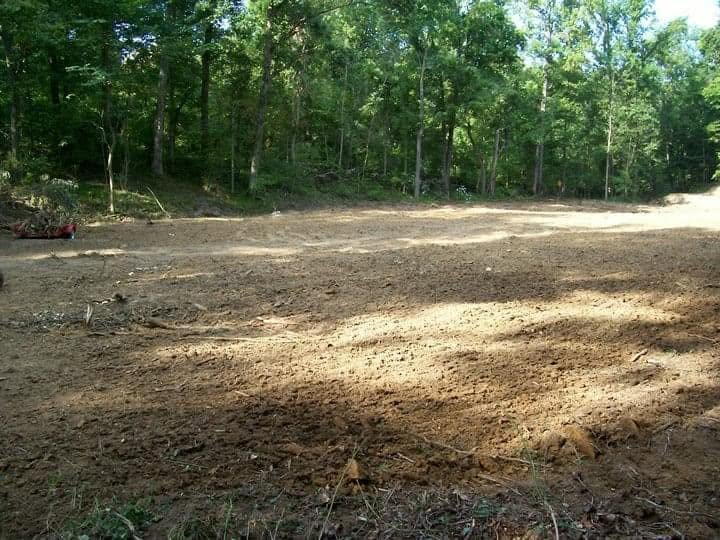
Site preparation is the process of making a piece of land suitable for construction. Depending on the property and the type of building being planned, this process can involve several different earthwork services.
The goal is to create a properly prepared, stable, and appropriately graded area where construction can take place.
A typical site preparation project may include:
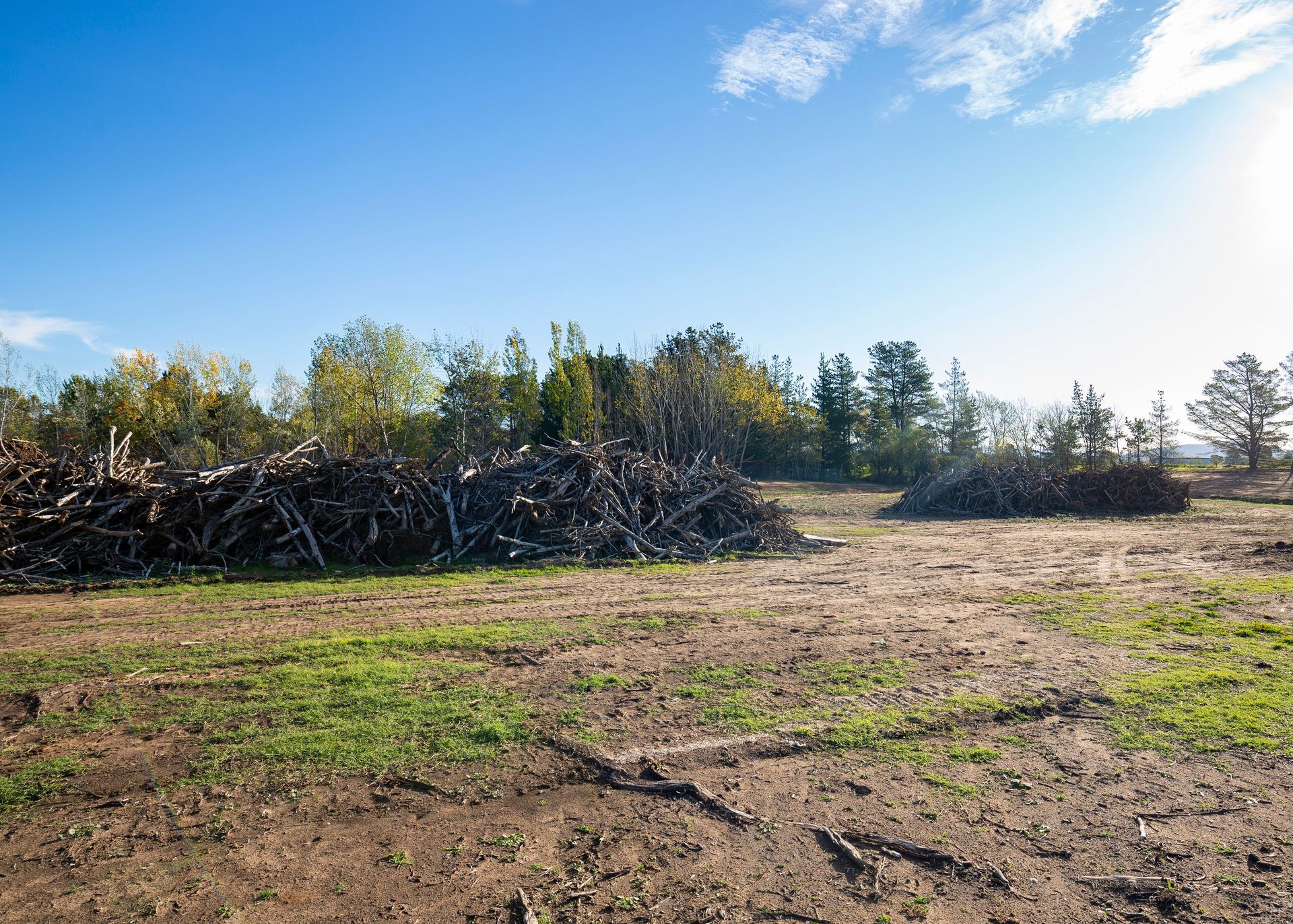
- Land clearing and removal of unwanted vegetation.
- Excavation and removal of unsuitable soil.
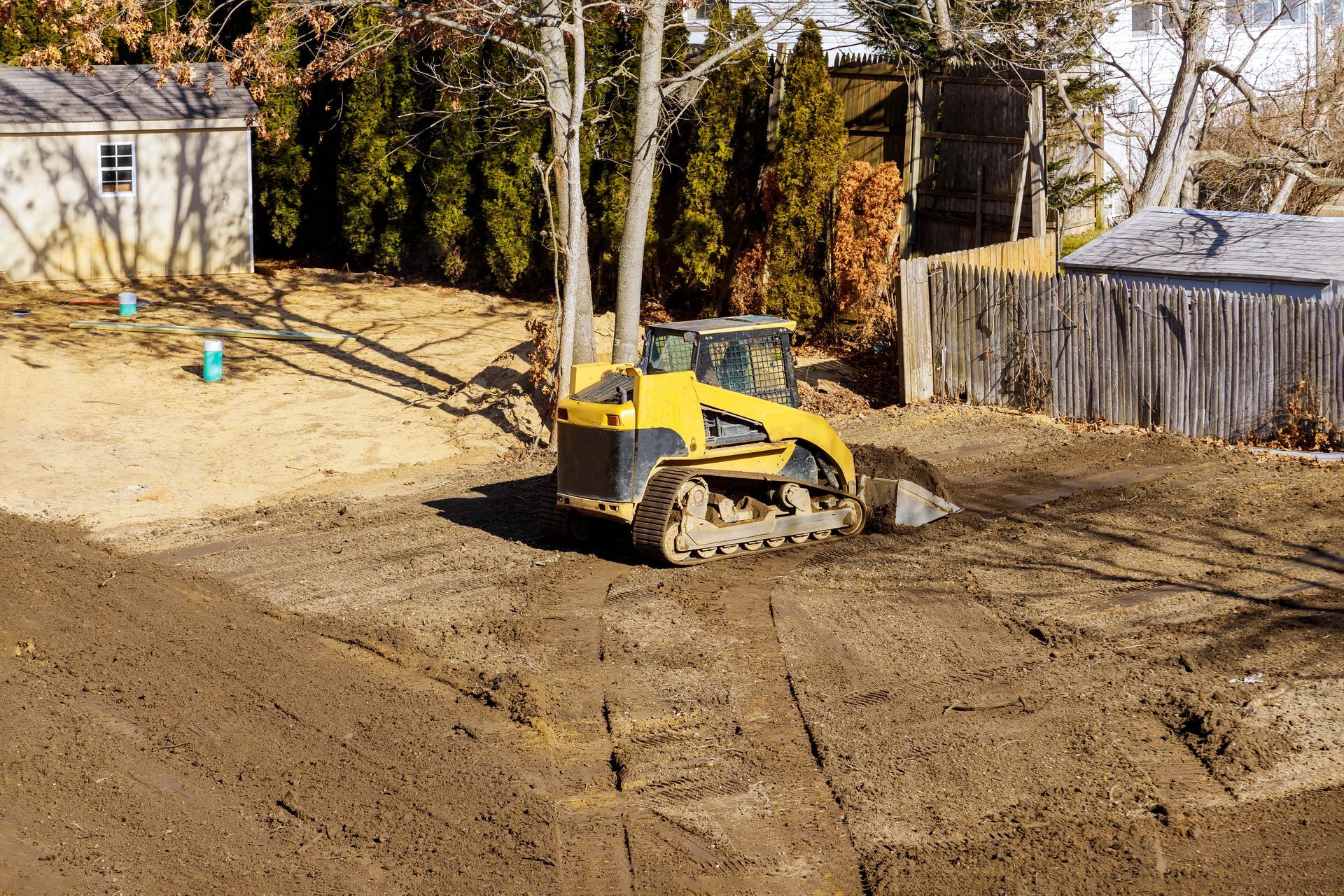
- Rough grading and establishing proper elevations.
- Preparing and compacting the building pad.
- Managing surface water and drainage.
- Installing or preparing access areas for construction equipment.
- Importing or redistributing suitable fill material when needed.
Not every property requires the same amount of work. Some building sites may need minimal grading, while others require extensive excavation, clearing, and ground preparation before construction can begin.
The important thing is understanding the existing conditions and determining what needs to be done to prepare the site correctly.
At Paulson Earthworks, we know that taking the time to evaluate the property and plan the necessary earthwork can help prevent problems later in the construction process.
Site Preparation for Agricultural Buildings and Pole Barns
Agricultural buildings are an important investment for farmers and rural property owners throughout Indiana and Kentucky. Whether you're constructing a new equipment shed, livestock building, machine storage facility, or large pole barn, proper site preparation is essential.
Agricultural buildings often require more than simply leveling a small area of ground. Their size, intended use, and location can create unique site preparation requirements.
For example, a building designed to store tractors, combines, trailers, and other heavy equipment needs a properly prepared foundation area capable of supporting the intended use.
Important considerations for agricultural building site preparation include:
1. Land Clearing
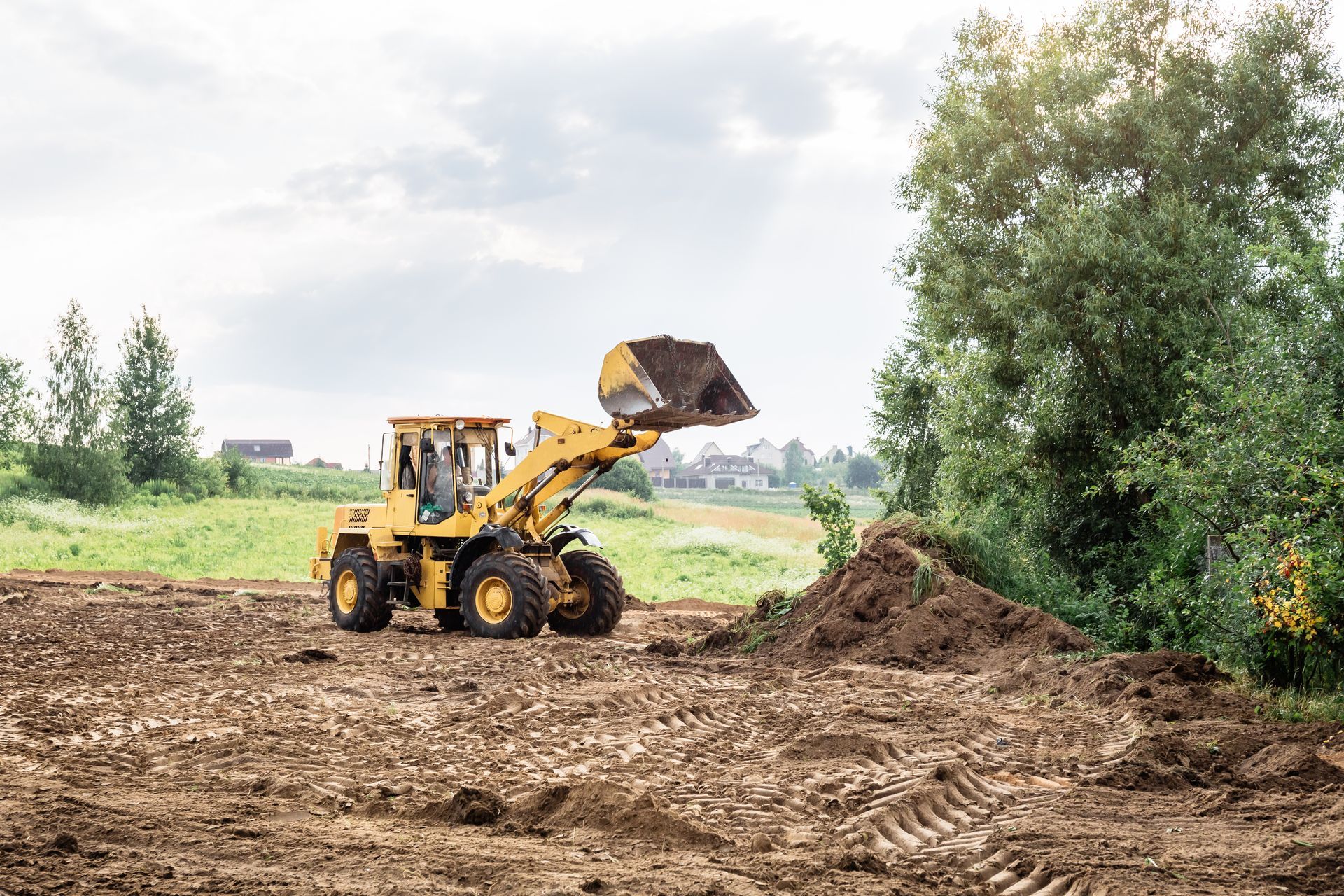
The first step may involve removing trees, brush, vegetation, and other obstacles from the proposed building area. Clearing enough space for the building footprint, equipment access, and surrounding work areas helps create a more functional construction site.
2. Excavation and Ground Preparation
Existing soil conditions need to be evaluated before construction begins. Soft ground, organic material, and unsuitable soils may need to be removed or addressed to establish a suitable building area.
3. Building Pad Preparation
A properly prepared building pad provides the foundation area for the next phase of construction. This involves establishing the appropriate elevations and preparing suitable material in accordance with the project's requirements.
4. Drainage Planning
Water should be directed away from the building area to help prevent standing water, erosion, and moisture-related problems. Proper grading around agricultural buildings is particularly important because of the amount of rainfall properties can experience throughout the year.
5. Equipment Access
Agricultural buildings frequently need to accommodate large vehicles and heavy equipment. Planning access areas and approaches during site preparation can help make the finished property more functional.
Paulson Earthworks understands that agricultural properties have practical demands that go beyond the building itself. Properly preparing the surrounding ground and access areas helps create a site that works for the property owner's day-to-day needs.
Commercial Site Preparation: Building on the Right Foundation
Commercial construction projects require careful planning, and site preparation is one of the first major steps.
Whether you're planning a new commercial building, warehouse, storage facility, shop, or business expansion, the property must be properly prepared before construction can move forward.
Commercial building sites often involve larger footprints, increased traffic requirements, parking areas, access drives, and more complex drainage considerations.
Some of the most important aspects of commercial site preparation include:
- Clearing and demolition preparation: Removing vegetation, brush, and other obstacles from the planned construction area.
- Mass excavation: Moving earth to establish the required elevations and building layout.
- Cut and fill operations: Balancing existing high and low areas to achieve the desired site elevations when appropriate.
- Building pad construction: Preparing a stable, properly graded area for the building.
- Drainage and water management: Establishing appropriate grades to direct water away from structures and other important areas.
- Access and circulation: Preparing areas for construction traffic, delivery vehicles, and future property access.
Commercial projects can involve significant earthmoving, and mistakes during the early stages can affect multiple phases of construction.
Proper site preparation helps establish the groundwork for the contractors who follow, making it easier to move into foundation work and the next stages of development.
Paulson Earthworks recognizes the importance of accuracy, planning, and coordination when preparing commercial properties. Getting the earthwork right is an important part of keeping a construction project moving in the right direction.
Preparing Your Property for a Detached Garage, Workshop, or Pole Barn
Not every site preparation project involves a large agricultural or commercial development.
Many homeowners throughout Indiana and Kentucky are investing in additional structures to create more usable space on their properties.
A detached garage, workshop, storage building, or residential pole barn can provide valuable space for vehicles, tools, hobbies, equipment, and more.
However, even a relatively small building requires proper site preparation.
One common misconception is that a small building can simply be placed wherever the ground looks relatively flat. In reality, the existing ground may have uneven elevations, poor drainage, soft soil, or other conditions that need to be addressed.
Before construction begins, homeowners should consider several important factors.
Choosing the Right Location
The building location should account for property layout, access, existing structures, utilities, drainage patterns, and applicable setbacks or permitting requirements.
Establishing the Proper Elevation
The building pad needs to be prepared to the elevations required by the building and foundation plans. This helps establish the appropriate relationship between the building, surrounding ground, and access areas.
Managing Drainage
Water should be directed away from the proposed building location. Poor drainage can contribute to standing water, erosion, and problems around the building's foundation.
Planning Access
Think about how you'll use the building. Will you need to pull vehicles inside? Store a tractor? Access the building with a trailer? Planning these needs before grading begins helps ensure the finished site is practical.
Preparing the Ground
Depending on existing conditions, preparation may involve excavation, fill placement, grading, and compaction to create a suitable building area.
Working with an experienced earthwork contractor can help homeowners understand what their property needs before construction starts.
Paulson Earthworks can help turn an uneven or undeveloped portion of your property into a properly prepared area for your next building project.
Why Grading and Drainage Are Critical to Every Building Site
One of the most important parts of site preparation is establishing the correct grades and managing water.
Indiana and Kentucky experience a variety of weather conditions throughout the year, including periods of heavy rainfall. Without proper grading and drainage, water can collect around a building, create erosion, and contribute to problems with the surrounding ground.
A building pad may be perfectly level, but the surrounding ground still needs to be graded appropriately to move water away from the structure.
Depending on the site, drainage planning may involve:
- Establishing proper slopes around the building.
- Directing surface water away from foundations.
- Creating drainage swales or ditches.
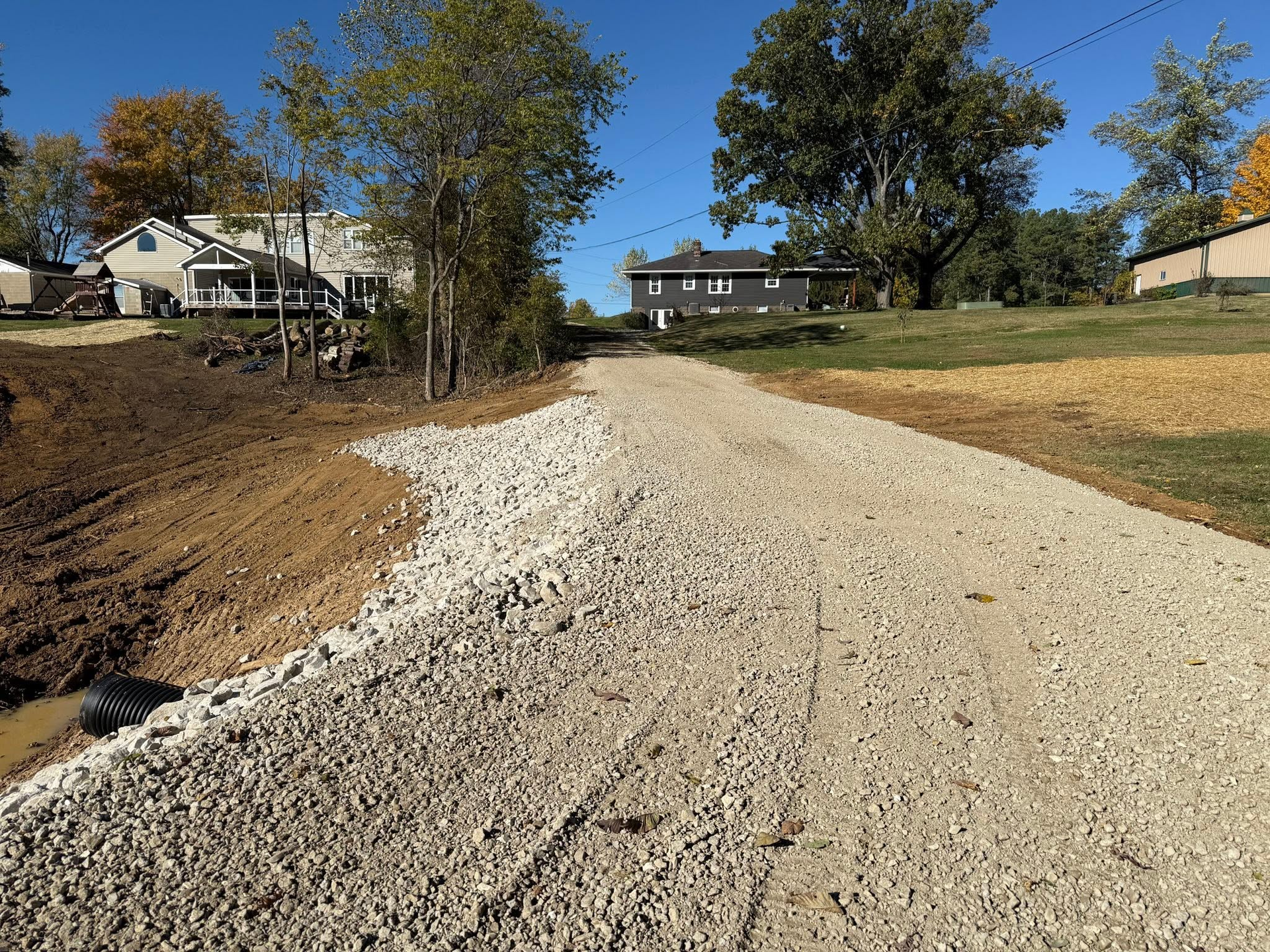
- Installing culverts where necessary.
- Managing runoff from surrounding higher elevations.
- Preventing water from collecting in access drives and work areas.
It's important to remember that drainage should be considered before and during site preparation rather than addressed only after construction is complete.
A properly planned site helps protect the building area while making the surrounding property more functional.
At Paulson Earthworks, we understand how important grading and water management are to successful site development. Paying attention to these details from the beginning can help property owners avoid unnecessary headaches down the road.
Common Site Preparation Mistakes That Can Cost You Later
Building projects require a significant investment, and cutting corners during site preparation can create expensive problems.
Here are some common mistakes property owners should avoid:
1. Building on Improperly Prepared Ground
Failing to address soft soils, organic material, or unstable ground can contribute to settlement and other issues. Soil conditions should be evaluated, and the building area should be prepared according to the project's engineering and construction requirements.
2. Ignoring Drainage
Water needs somewhere to go. Poor drainage can lead to erosion, standing water, and moisture problems around the finished building.
3. Not Planning for Future Use
A new pole barn or garage may eventually need additional access, parking, or surrounding work areas. Thinking about these needs before construction can help avoid additional earthwork later.
4. Improper Fill Placement and Compaction
Simply moving dirt into a low area does not automatically create a stable building pad. Suitable material, proper placement, moisture considerations, and appropriate compaction are all important.
5. Choosing a Contractor Based Only on the Initial Price
Site preparation is not an area where the cheapest approach is always the best value. Understanding what work is included and how the property will be prepared is essential when comparing estimates.
Working with an experienced earthwork contractor helps ensure that important details are considered before the building process begins.
Why Choose Paulson Earthworks for Site Preparation in Indiana and Kentucky?
Every successful building project starts with a solid foundation, and that foundation begins with the ground beneath it.
At Paulson Earthworks, we understand the importance of approaching site preparation with the right knowledge, equipment, and attention to detail.
We recognize that preparing a residential building site is different from preparing a commercial property or agricultural building site. Each project has its own requirements, and the right approach depends on the property's existing conditions and the owner's intended use.
Our understanding of earthwork, excavation, grading, and site development helps us approach projects with the bigger picture in mind.
We're focused on the work that happens before construction begins because we know how much those early decisions matter.
Whether you're a farmer planning a new equipment building, a business owner preparing for commercial construction, or a homeowner looking to add a detached garage or pole barn, Paulson Earthworks can help you take the next step toward getting your property ready.
Serving customers in Southern Indiana and surrounding areas, we understand the importance of dependable earthwork and quality site preparation throughout the region.
Getting Ready for Your Next Building Project? Start with Paulson Earthworks.
Before you start building, make sure the land is ready.
Proper site preparation helps establish the conditions needed for successful construction, from a small detached garage to a large agricultural or commercial building.
The right combination of clearing, excavation, grading, building pad preparation, and drainage planning can make a significant difference in the long-term performance and usability of your property.
If you're planning a new building project in Indiana or Kentucky, don't overlook the importance of quality earthwork.
Contact Paulson Earthworks to discuss your upcoming site preparation project. Let our experience and understanding of earthwork help you get your property ready for what's next.
When it comes to preparing land for construction, doing the groundwork right makes all the difference.