Building a Driveway or Private Road That Lasts: What Property Owners in Indiana and Kentucky Should Know
Whether you're building a new driveway, improving an existing gravel road, or developing access to a piece of property, the quality of the earthwork underneath makes all the difference. A driveway or private road needs more than a fresh layer of gravel or a smooth surface. It requires proper planning, site preparation, grading, and drainage to withstand everyday traffic and changing weather conditions.
For property owners throughout Indiana and Kentucky, these considerations are especially important. Seasonal rainfall, fluctuating temperatures, varying soil conditions, and regular vehicle traffic can all affect the long-term performance of a driveway or private road.
At Paulson Earthworks, we understand that successful driveway and road construction starts from the ground up. Having the right approach to earthwork and site preparation helps create a foundation that performs reliably and stands the test of time.
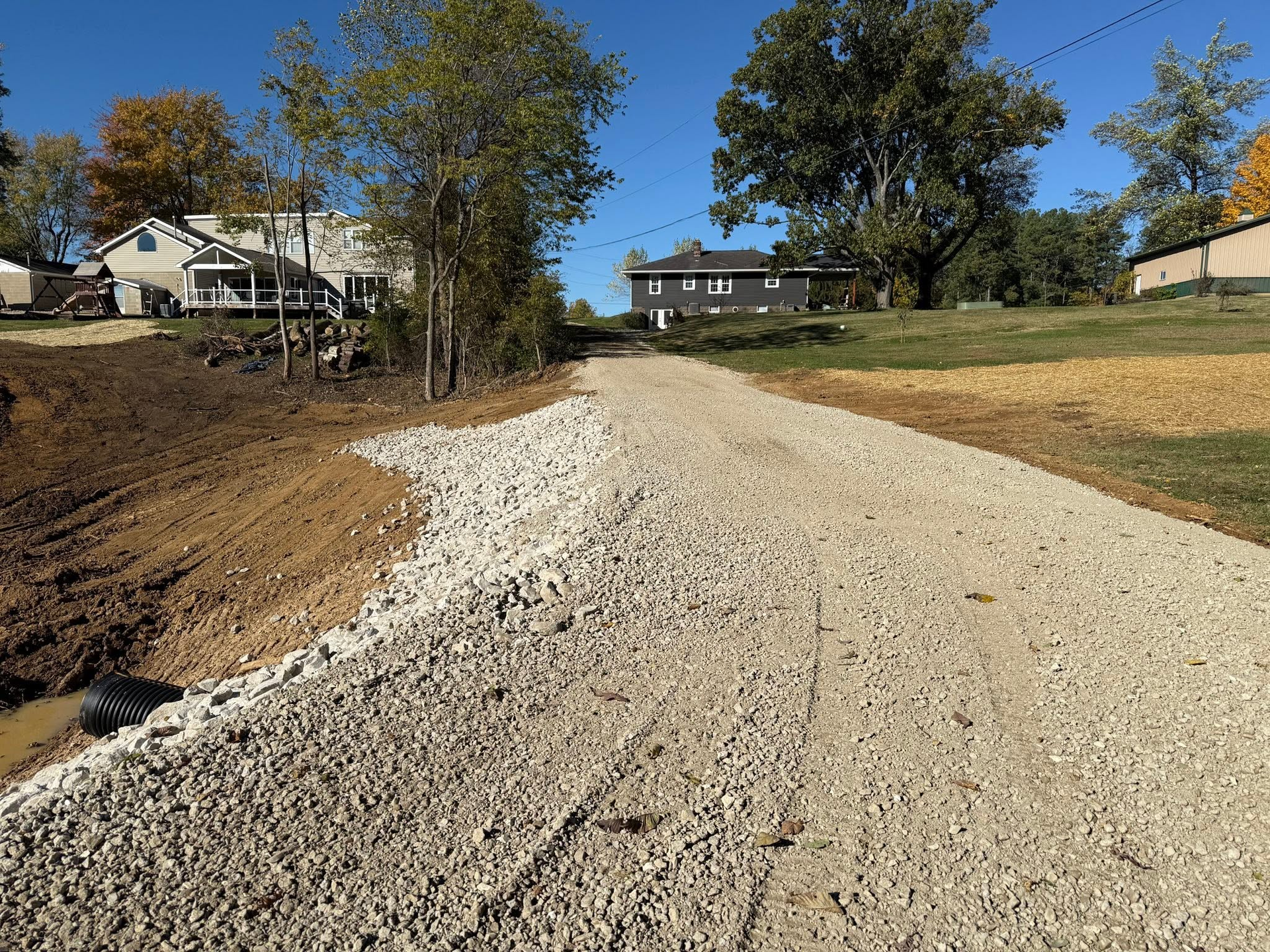
Why Proper Site Preparation Matters for Driveway and Road Construction
One of the biggest mistakes in driveway and road construction is focusing too much on the finished surface and not enough on what lies beneath it.
A driveway can look great immediately after installation, but if the ground underneath hasn't been properly prepared, problems can develop quickly. Soft spots, uneven surfaces, rutting, and premature deterioration are often signs of inadequate site preparation.
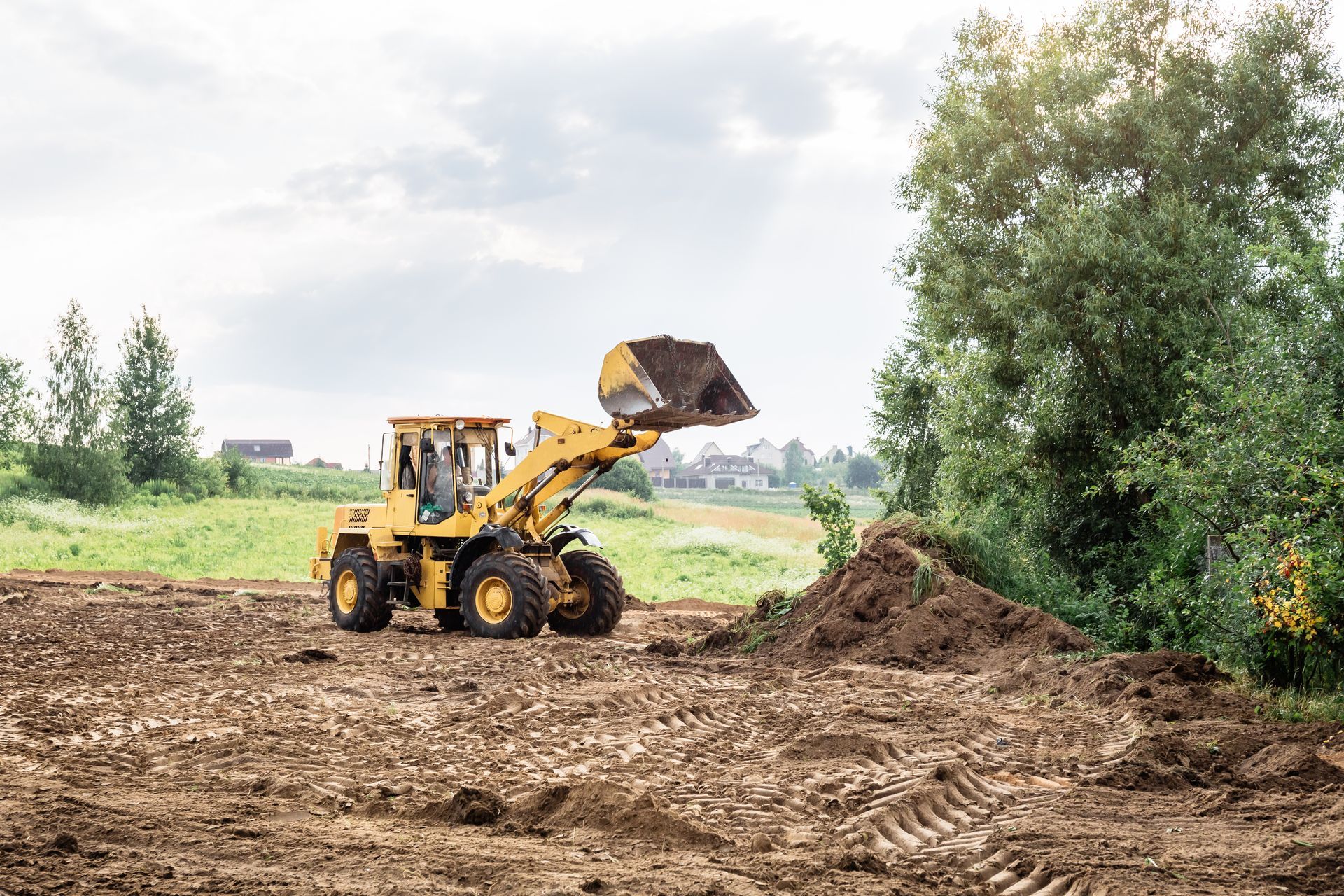
Proper preparation involves evaluating existing ground conditions, addressing unsuitable soil when necessary, establishing the appropriate elevations, and creating a stable foundation before adding aggregate or other surface materials.
For both residential driveways and longer private roads, the preparation process should account for:
- Existing soil conditions and ground stability.
- The amount and type of expected vehicle traffic.
- Proper excavation and grading.
- The thickness and composition of the aggregate base.
- Water runoff and drainage requirements.
- The overall layout and intended use of the roadway.
At Paulson Earthworks, we recognize that every property presents different challenges. Taking the time to understand the site before construction begins is an important part of producing quality results.
The Importance of a Properly Built Gravel Driveway
Gravel driveways remain a popular choice for homeowners and property owners throughout Indiana and Kentucky. They offer flexibility, practical functionality, and an economical alternative to many paved surfaces.
However, a gravel driveway is only as good as its foundation.
A properly constructed gravel driveway typically includes several important components:
1. Ground Preparation
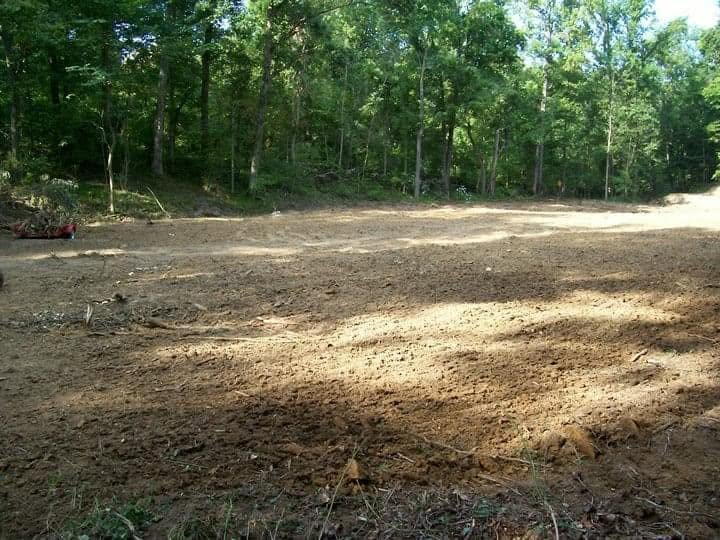
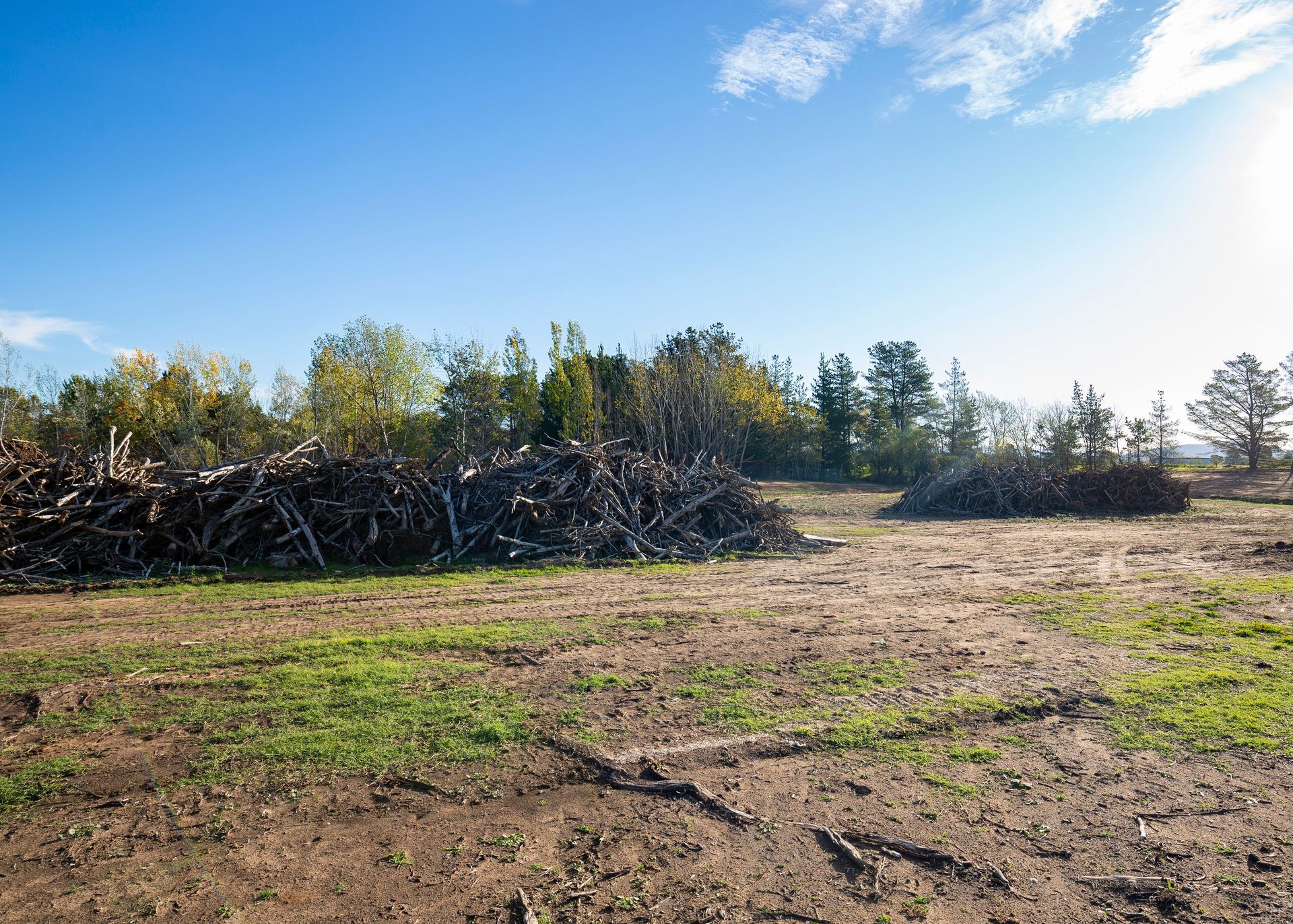
The first step is preparing the existing ground. This may involve clearing vegetation, removing unsuitable material, excavating to the appropriate depth, and establishing the necessary elevations.
2. A Stable Aggregate Base
The base layer provides structural support and helps distribute the weight of vehicles across the driveway. Selecting appropriate aggregate materials and establishing adequate depth are important considerations, particularly for driveways that will experience frequent traffic or heavier vehicles.
3. Proper Grading and Compaction
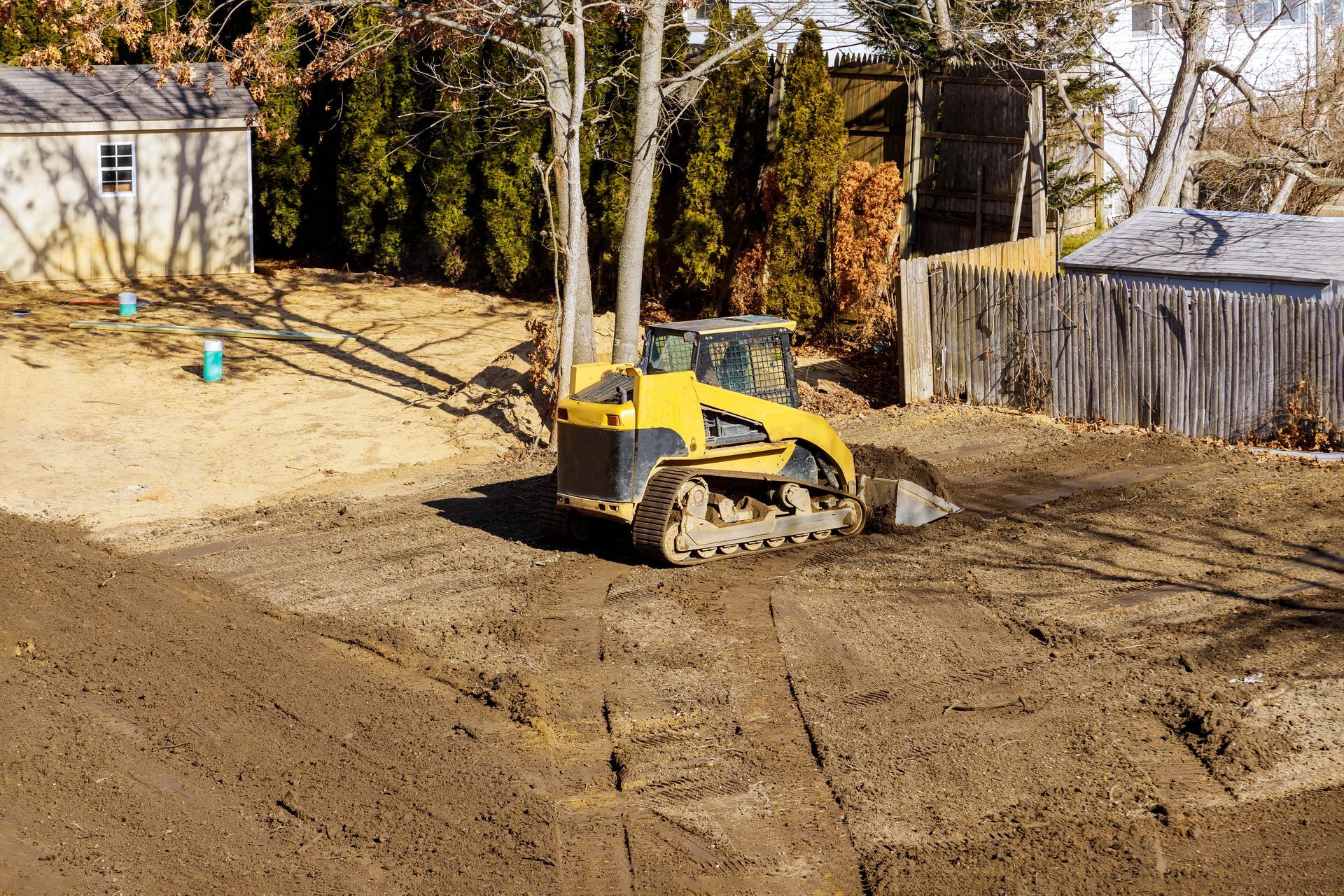
Grading creates the shape and slope needed for a functional driveway. Compaction helps establish a more stable surface and reduces the likelihood of future settling and movement.
4. A Quality Driving Surface
The final aggregate layer provides the driving surface. Material selection depends on the intended use, traffic levels, and site conditions.
Each stage plays an important role. Skipping steps or cutting corners during installation can result in ongoing maintenance issues and additional expenses.
Why Drainage Is One of the Most Important Parts of Road Construction
If there's one factor property owners should never overlook during driveway or road construction, it's drainage.
Water is one of the biggest threats to the long-term performance of gravel driveways and private roads. When water collects on the surface or becomes trapped beneath the road, it can weaken the underlying material and contribute to potholes, washouts, erosion, and rutting.
This is particularly important throughout Indiana and Kentucky, where heavy rainfall and changing seasonal conditions can put significant stress on unpaved roads.
A properly planned drainage system helps move water away from the driving surface and surrounding areas.
Depending on the property, effective drainage may involve:
- Establishing the correct driveway crown or cross-slope.
- Creating properly graded ditches and drainage paths.
- Installing culverts where appropriate.
- Directing runoff away from the road base.
- Preventing standing water and excessive erosion.
Drainage should be considered during the initial planning and grading stages, not treated as an afterthought once problems develop.
Paulson Earthworks understands the importance of considering water movement when planning earthwork and road construction projects. Proper grading and drainage considerations can make a significant difference in how well a driveway or private road performs over time.
Private Road Construction Requires More Than Just Gravel
Building a private road involves many of the same principles as residential driveway construction, but the scale and intended use can create additional challenges.
Longer roads may need to accommodate delivery trucks, agricultural equipment, construction vehicles, emergency vehicles, and regular residential traffic.
These demands make proper planning especially important.
Before beginning a private road construction project, property owners should consider:
- Road width: Is there enough room for vehicles to safely travel and pass where necessary?
- Traffic requirements: Will the road primarily serve passenger vehicles, or must it accommodate heavy equipment and trucks?
- Ground conditions: Will the existing soil support the anticipated traffic?
- Base construction: Is the road base appropriate for the expected loads?
- Drainage: How will water be directed away from the road and surrounding property?
- Long-term maintenance: What will be required to keep the road functional throughout the year?
A well-constructed private road starts with a clear understanding of how it will be used.
Whether you're developing access to a rural property, improving an existing roadway, or planning a new private drive, working with an experienced earthwork contractor can help you make informed decisions before construction begins.
Common Driveway and Road Construction Problems to Avoid
Many common driveway and private road problems can be traced back to decisions made during the original construction process.
Understanding these issues can help property owners avoid unnecessary repairs.
Poor Drainage
Water that collects on or around a driveway can lead to potholes, erosion, and weakened road materials. Proper grading and drainage planning are essential.
Inadequate Base Preparation
Installing gravel over unstable or improperly prepared ground can result in settling, soft spots, and recurring ruts.
Incorrect Grading
A driveway without the appropriate slope may allow water to pool instead of draining away. Proper grading helps protect the surface and underlying base.
Insufficient Material for Traffic Conditions
A driveway intended for occasional passenger vehicle use may have different construction requirements than a private road regularly used by heavy trucks or agricultural equipment.
Taking Shortcuts During Construction
Skipping excavation, proper material placement, or compaction may save time initially, but it can create more expensive problems later.
At Paulson Earthworks, understanding the relationship between site conditions, grading, materials, and drainage is central to approaching earthwork projects the right way.
Why Choose Paulson Earthworks for Your Driveway or Road Construction Project?
When investing in a new driveway or private road, choosing the right contractor matters.
Earthwork is about more than moving dirt. It requires an understanding of how the land, soil, materials, elevations, and drainage all work together.
Paulson Earthworks brings a knowledgeable, practical approach to earthwork and site development throughout the region. We understand that no two properties are exactly alike, and successful results depend on recognizing the specific needs of each project.
From preparing the ground to establishing proper grades and considering drainage, the details matter.
Our focus is on helping property owners make informed decisions and approach their projects with the attention that quality earthwork deserves.
Whether you're considering a new gravel driveway, upgrading an existing access road, or planning a private road construction project, starting with the right earthwork approach can make all the difference.
Planning a Driveway or Road Construction Project in Indiana or Kentucky?
A properly constructed driveway or private road is an investment in your property's accessibility, functionality, and long-term value.
Don't let inadequate preparation or poor drainage create problems down the road. Taking the time to approach your project correctly from the beginning can help minimize future maintenance and deliver a more dependable driving surface.
Contact Paulson Earthworks to discuss your driveway, gravel road, or private road construction project. Let our earthwork knowledge help you get your project started on the right foundation.
When it comes to driveway and road construction in Indiana and Kentucky, building it right starts with the ground beneath it.