From Land Clearing to Excavation: The Steps to a Successful Project

April 8, 2026

Starting a property project can be overwhelming for anyone. From land clearing in Evansville, IN, to the final phase of excavation, each step plays a vital role. Paulson Earthworks, LLC, knows that proper planning and execution are key to a successful outcome. So, what does the journey from a cluttered plot to a ready-to-build site look like? Let’s break down the process and see how each step supports your project goals.


Why Land Clearing Comes First


Opening up a property starts with removing unwanted vegetation, dead trees, rocks, and debris. This process gives your project a fresh beginning, whether you’re planning to build a house, put in a driveway, or design a garden.


If this important step is skipped, construction crews may face obstacles like leftover stumps or tangled roots, which can make leveling and digging much more difficult. Property owners who don’t clear away these hazards risk delayed timelines and higher expenses. Removing roots and brush early also prevents future issues, such as damage to foundations or unsafe overgrowth around structures.


The Steps for Clearing Your Land


There are several ways to approach removing vegetation and debris from your property, depending on the size and needs of your project:


  • Assessment and Planning: Survey the site and mark all objects to remove. Decide what vegetation you want to keep or eliminate.
  • Permits and Regulations: Check for permits. Some areas require you to get approval before clearing land.
  • Clearing Techniques: Options include manual removal with tools, mechanical clearing with machinery, or using mulching services.
  • Disposal: Vegetation and debris should be hauled away or recycled. In some cases, tree stumps are ground down and brush is chipped.


Taking time to clear your land thoroughly prepares it for the next stages. Each step in land clearing ensures your site is free from obstacles and ready for site prep.


Site Prep: Getting Ready for Building


Once vegetation and debris have been removed, it is time to prepare the ground for what comes next. Preparing your land involves more than a simple clean-up. These steps lay a solid foundation for building or other improvements:


  • Grading and Leveling: Crews shape the land so it drains properly and is even for construction.
  • Erosion Control: Use silt fences or straw to keep soil from washing away.
  • Staking and Marking: Workers mark where structures, utilities, and driveways will go.


Part of getting your property ready includes checking the soil quality. Sometimes the soil needs to be compacted or treated to provide strong support for upcoming structures. This careful preparation helps ensure your land stays safe and stable as you build.


Why a Good Excavation Company Matters


Once clearing and site prep are complete, excavation is the next step. Specialized machines and tools are used to create foundations, trenches, and other features your project needs. Working with skilled professionals ensures the digging is accurate and safe every time.


Excavation companies follow your plans, digging precise holes or trenches for plumbing, utilities, and concrete footings. They use machines, like backhoes and bulldozers, to move large amounts of earth quickly. Choosing the right excavation company saves time and prevents costly mistakes.
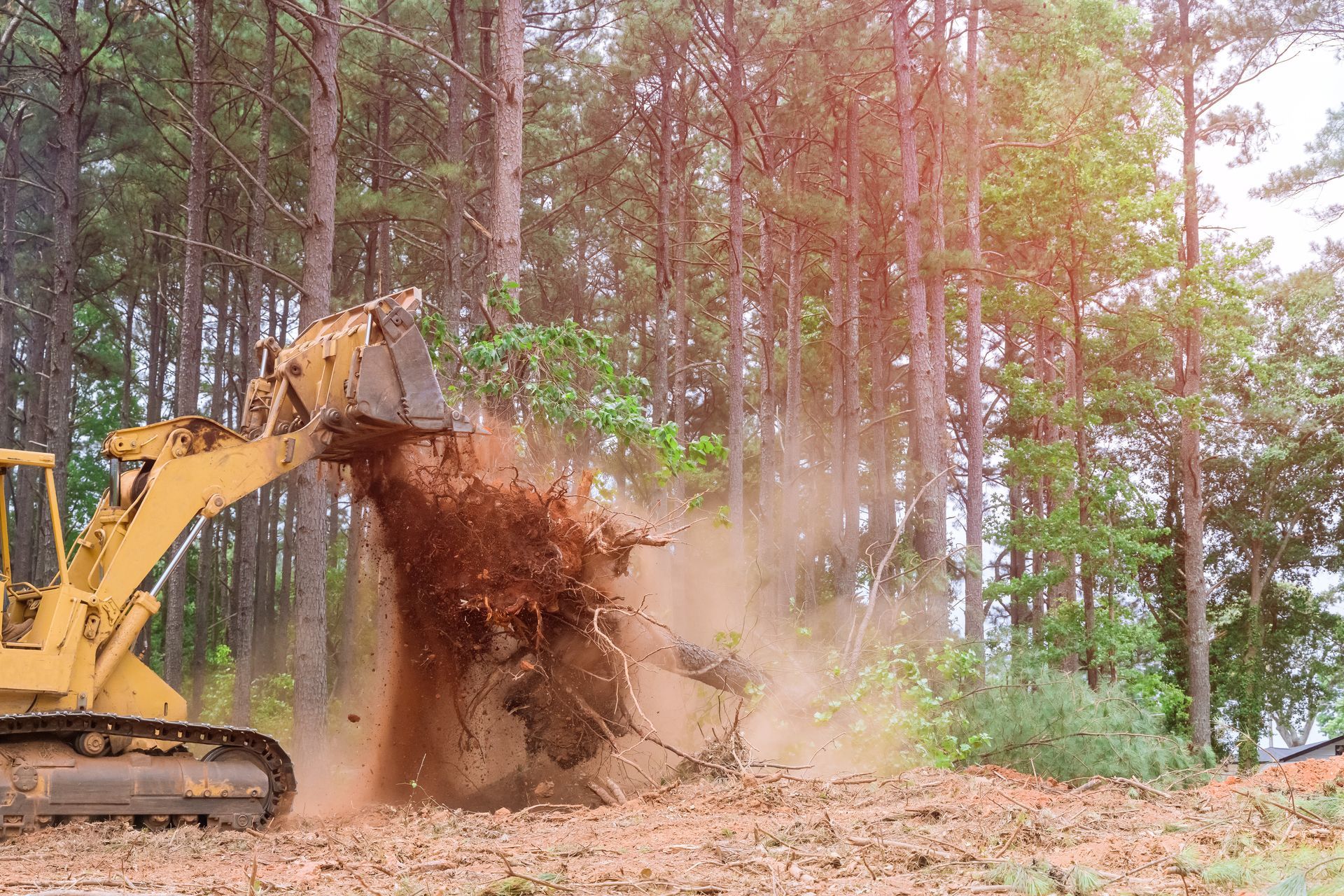
Land Clearing

Step-by-Step Guide From Clearing to Excavation


Here’s a simple checklist for anyone planning a property project in Evansville:


  • Site Assessment: Walk the land, identify obstacles, and plan what needs removing.
  • Get Permits: Make sure you have permission from local authorities.
  • Clear the Land: Remove vegetation, rocks, stumps, and debris with your chosen method.
  • Dispose and Recycle Debris: Haul away unwanted material or recycle where possible.
  • Site Prep: Level the ground, set up erosion control, and mark key areas for utilities and buildings.
  • Soil Testing and Adjustment: Check for soil stability. Compact or treat as needed.
  • Excavation: Dig trenches and cavities exactly where your builder needs them.
  • Final Inspection: Review the site for quality and safety before starting main construction.


Every step connects to the next. Skipping any phase can affect the stability and safety of your property long-term.


Common Challenges and How to Avoid Them


Some projects face hurdles like weather delays or finding unexpected rocks underground. Plan ahead and work with pros who know how to handle these issues.


  • Weather Woes: Rain can stop work. Schedule work during dry spells when possible.
  • Uneven Terrain: Sometimes land is hilly or rocky. Grading and leveling help smooth it out.
  • Permit Problems: Avoid fines by getting all necessary permits early.


Detailed planning and expert help keep your project moving smoothly.


Why Professional Help Pays Off


Land clearing, site prep, and excavation might seem simple, but doing it right takes knowledge and skill. Professionals have the right tools and experience. They understand local soil, climate, and regulations. This means your project is done safely and meets all code requirements.


Hiring experts also speeds up the process, saving you energy and money. Problems like buried stumps or unstable soil are easier for a team with experience.


Ready for Action? Contact Paulson Earthworks, LLC


Thinking of starting a property project and not sure where to begin? Let Paulson Earthworks, LLC, be your guide. Serving Evansville, IN, our team specializes in land clearing, site prep, and excavation services to make your project smooth and stress-free. Contact us today for advice or to schedule your assessment. Your path to a perfect property starts here!
By Paulson Earthworks • September 21, 2026
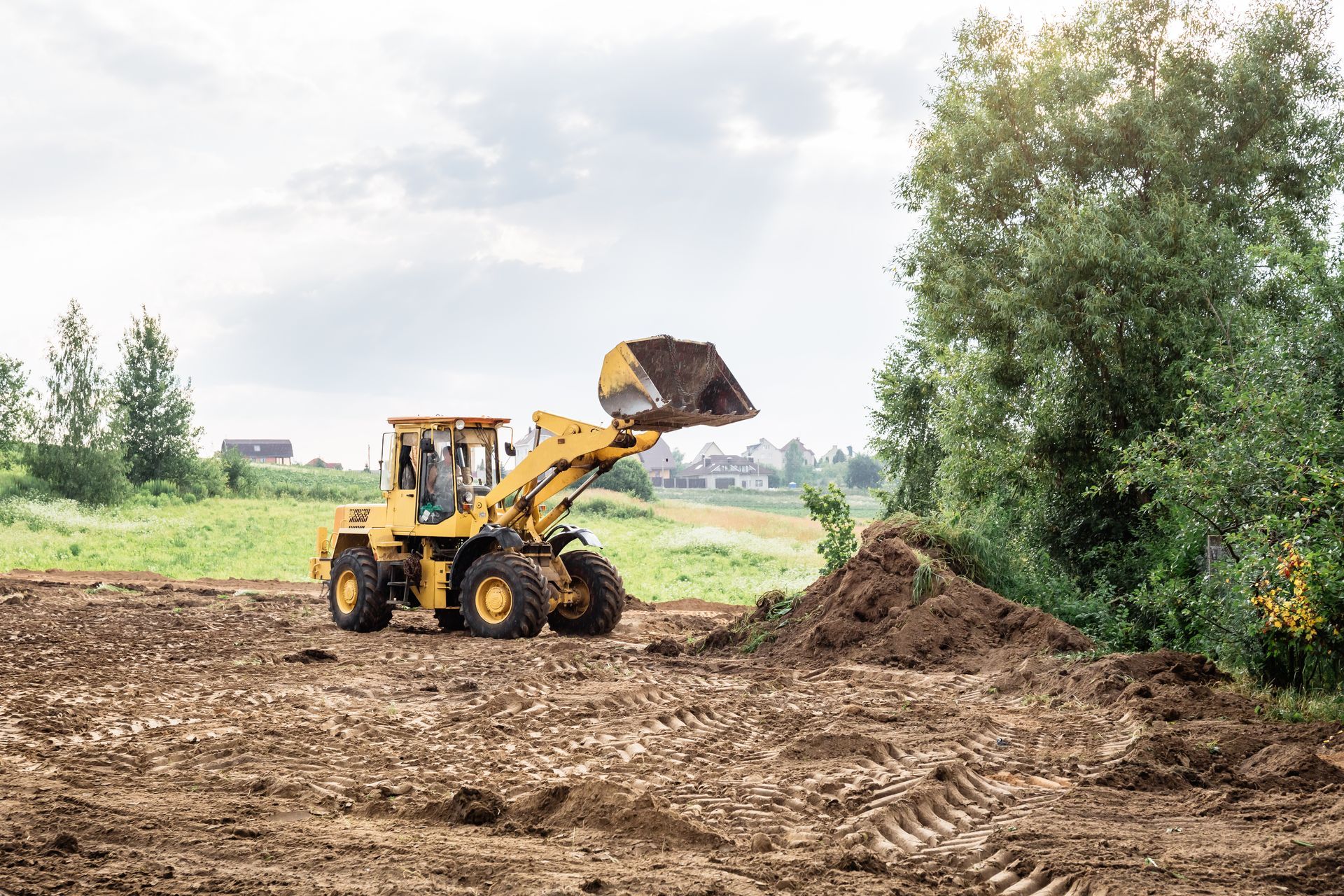
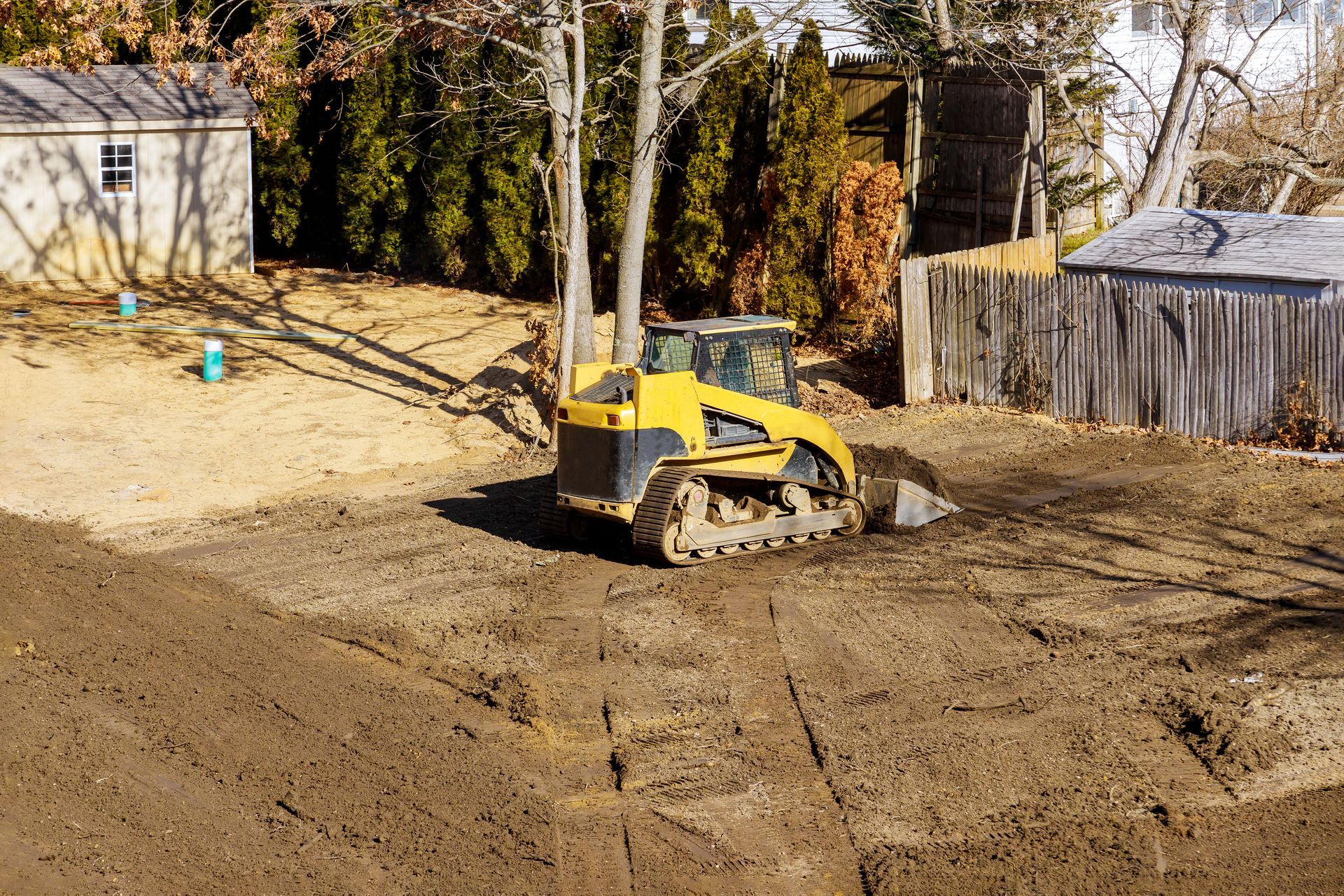
Evansville, IN, property owners have more Land Clearing options than ever, and forestry mulching has become one of the most searched methods in Southwest Indiana. Whether you are reclaiming an overgrown lot near the riverfront, prepping rural acreage in Warrick or Vanderburgh County, or managing a wooded residential parcel, understanding your options is the first step toward a smart, cost-effective decision. What Is Forestry Mulching? Forestry mulching is a single-pass land management method that grinds standing trees, brush, stumps, and vegetation directly into mulch on the spot. A skid steer or track loader fitted with a high-speed drum mulching head moves across the land and processes everything in one operation. There is no piling, no burning, and no hauling debris off-site. The result is a layer of shredded organic material spread evenly across the cleared area, protecting soil until new grass or plants take hold. Many property owners describe a finished forestry mulching site as having a clean, park-like appearance. How Does It Differ from Traditional Land Clearing? Traditional land clearing is a multi-machine process. Bulldozers push down trees, excavators pull stumps, and debris is piled, burned, or trucked away, leaving bare exposed dirt that may need additional grading before a site is usable. Forestry mulching works differently in three key ways. Soil disturbance is minimal because equipment works above ground, leaving root systems largely intact. No debris removal is needed, which reduces labor and fuel costs. And the mulch layer retains moisture and reduces erosion immediately after the job is done. Traditional clearing remains the right choice when a project requires full stump removal, a graded building pad, or a clean foundation surface. Pros and Cons for Evansville, IN, Properties Vanderburgh County sits in the Ohio River basin, where clay-heavy soils are common and spring rainfall can accelerate runoff on freshly cleared sites. Where forestry mulching can help: the mulch layer absorbs rainfall and slows runoff on properties near drainage ditches, wooded slopes in Newburgh, or lots close to Pigeon Creek. Organic material decomposes over time and feeds soil microbes, improving clay-heavy ground. Rural parcels in Posey or Gibson County may clear faster with one machine than a full traditional crew. Forestry mulching also typically does not require a burn permit, simplifying scheduling in suburban and semi-rural zones. Where it may not be the right fit: if your property needs a concrete slab, foundation footings, or a graded building pad, traditional clearing is likely required. Large trees over roughly 10 to 12 inches in diameter can challenge standard mulching equipment, and rocky or uneven terrain may favor conventional excavation. When Should Evansville Homeowners Choose Forestry Mulching? Forestry mulching is often the better fit when vegetation needs to be controlled rather than fully stripped. It works well for overgrown residential lots where the goal is accessibility rather than a construction-ready grade, rural properties in areas like Princeton or Mount Vernon where invasive species such as bush honeysuckle have overtaken pasture edges, properties near water features or low-lying areas where soil exposure increases erosion risk, and fence line maintenance or trail creation through wooded parcels. If you are preparing land for a new home build, driveway installation, or any project requiring grading and compaction, a Land Clearing approach that includes excavation may be a better starting point.
August 8, 2026
Newburgh, IN, sits along the Ohio River in Warrick County, where river proximity and heavy clay soil create real grading challenges. Clay-heavy lots throughout local subdivisions can hold water near structures rather than moving it away. Freeze-thaw cycles every winter can shift the ground and gradually alter the slope of a yard. A grading contractor serving Newburgh, IN, understands these soil conditions and how to correct them before they cause lasting damage. 5 Signs Your Yard May Need Regrading Professional regrading may be necessary when your yard shows persistent water or surface problems. Watch for these warning signs: Water pooling in the same spots after every rainstorm, especially near the foundation or in low-lying areas of the yard. Soil or mulch washing away from flower beds, driveways, or slopes after heavy rain. Wet or damp basement walls, even when the rest of the home appears dry. Visible depressions or uneven patches across the lawn that collect standing water. Erosion channels forming in the yard where water has carved its own path. Multiple signs together typically mean the issue has been building for some time. Rough Grading vs. Finish Grading: What Is the Difference? Rough grading moves large amounts of soil to establish the basic slope and elevation of a property. This is common on new construction sites or major renovation projects. Finish grading comes afterward and focuses on smoothing the final surface, typically preparing it for sod, seed, or hardscaping. Homeowners dealing with drainage problems usually need finish grading, though severe cases may require both. When Should You Call a Contractor vs. Try a DIY Fix? Small, isolated low spots may be manageable with topsoil and a rake. However, problems near a foundation, persistent pooling across a large area, or grading that touches drainage infrastructure generally call for professional assessment. Improper regrading can redirect water toward neighboring properties or worsen the original problem. Does New Construction in Warrick County Create Grading Issues? Newer developments in the Newburgh area can leave homeowners with compacted builder soil and slopes graded for construction access rather than long-term drainage. Once sod is installed and the first heavy seasons pass, drainage problems can emerge that were not obvious at closing. A professional inspection can catch these issues early. What Does a Grading Contractor Actually Do on the Job? A grading contractor evaluates the existing slope, identifies where water is moving and where it should move, and reshapes the soil using specialized equipment. The goal is to create a surface that consistently directs water away from structures. The work may also involve drainage installation to support proper water flow.